

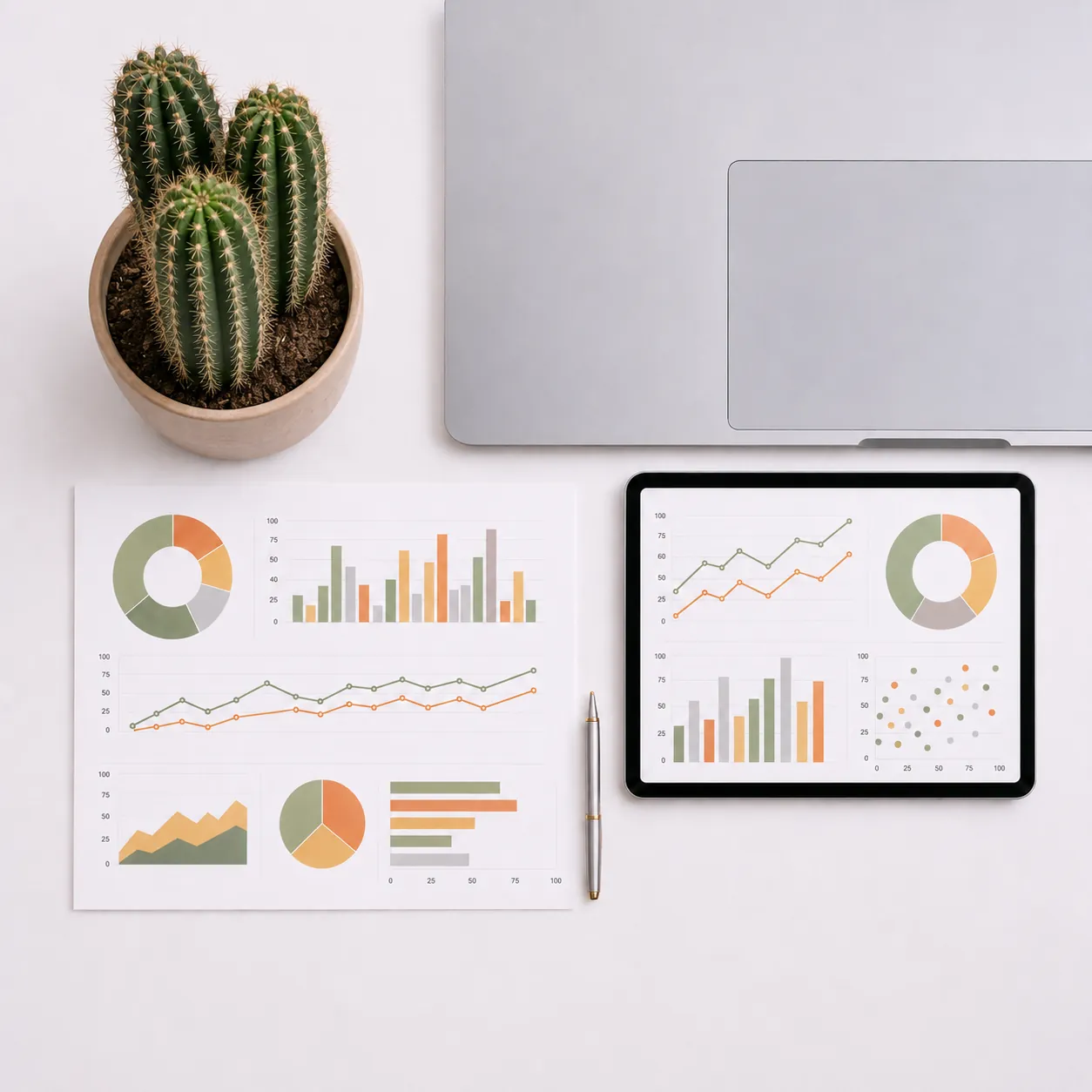
Small businesses make decisions every day. They decide which products to focus on, which services to promote, when to run offers, and how to understand their customers better.
Data analysis helps make these decisions clearer. Instead of only guessing, a business can look at real numbers and patterns. This can include sales, website visits, customer behavior, monthly performance, or product demand.
For example, a small business can use data to see which products sell the most, which months are stronger, and which services bring more interest. These simple insights can help the business plan better and avoid wasting time or money on things that are not working.
Data analysis can also show changes over time. A business may notice that sales are growing, slowing down, or changing by season. When these patterns are clear, it becomes easier to prepare for busy periods and improve weaker months.
Another useful part of data analysis is understanding customers. A business can learn what people are interested in, what they ask about, and which pages or services get the most attention. This can help improve marketing, website content, and service offers.
Data analysis does not have to be complicated. Even simple reports, charts, and summaries can help small businesses see what is happening more clearly. The goal is not to collect as much data as possible. The goal is to use the right information to make better decisions.
For small businesses, clear data can lead to better planning, stronger marketing, and smarter growth. When numbers are organized and explained properly, they become useful business guidance.